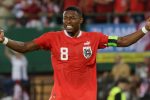
Only a few months after Gareth Bale announced his arrival on the world stage in Tottenham’s 4-3 defeat to Inter Milan in the group stage of the Champions League, next Tuesday the Welshman and his teammates will take to the San Siro pitch for the second time this season. The venue might be the same but, of course, the stripes on their opponents’ shirts will be different. This time the Londoners will be lining up against Inter’s city rivals AC, the Rossoneri, in the latest instalment of their first campaign in Europe’s most prestigious club competition for almost half a century.
A two-legged tie against the Serie A leaders was the most daunting draw that Harry Redknapp’s team could have been given outside of a visit to Barcelona or Madrid. Nonetheless, Spurs can point to an undefeated record against Milan as they bid to reach the quarter-finals. It is astonishing that Tottenham, with such a long history of European competition, have only met their next European opponents twice before. Now is the perfect time to look back at those meetings from 1972.
The Inter-Cities Fairs Cup was renamed the UEFA Cup in 1971. European football’s governing body took over the competition’s running three years after qualification for it had become determined solely by a club’s league position, discarding the tournament’s previous idiosyncratic entry method that had had more to do with economics than sporting performance. Spurs qualified for the inaugural 1971/72 competition, then, by virtue of their third-place finish in the First Division the year before, and not because of London’s identity as a venue for trade fairs. Milan, meanwhile, entered the draw as the runners-up to Inter in Serie A.
Spurs and Milan would eventually meet in the semi-finals but to get that far both teams first had to see off four other opponents. Iceland’s Keflavík ĺF were despatched 15-1 by Spurs in the first round, with Nantes of France overcome next, before back-to-back victories over the Romanian sides Rapid Bucharest and UTA Arad took Bill Nicholson’s side into the last four. Milan, who had won the European Cup three years earlier under their incumbent manager Nereo Rocco, knocked out the Cypriot side Digenis Akritas Morphou, Hertha Berlin, Dundee, and Lierse of Belgium to earn their showdown with the Londoners.
The first leg took place at White Hart Lane on 5th April. In goal for Milan was Fabio Cudicini, Carlo’s father, whilst captaining the away side was the iconic Gianni Rivera. It was the skipper’s long pass that brought about his side’s opening goal after 25 minutes. Terry Naylor could only nod the ball into the path of the onrushing Romeo Benetti, who had given the ball to Rivera in the first place. The 26-year-old midfielder took one touch before steadying himself and firing past Pat Jennings in the Spurs goal from the edge of the box.
Milan’s lead only lasted five minutes. Cyril Knowles turned away from his marker to cross from the left towards Alan Gilzean, who beat three markers to head the ball down into the path of Martin Chivers. Chivers tried to set up Martin Peters but he couldn’t get his shot away, only for Steve Perryman to hit a rising drive that Cudicini could only help into the net.
Midway through the second half and the night got even better for Spurs and for Perryman. Giulio Zignoli gave away a corner that was subsequently headed clear but only as far as the 20-year-old hero from the first half. Perryman brought the ball down effortlessly before calmly striking it right-footed past Cudicini, this time without the keeper getting a touch. “He’s done it again!” exclaimed the commentator, Barry Davies.
The game finished 2-1 but, even as the home crowd celebrated what had been a momentous win against a team that had won the European Cup twice during the sixties, Davies was still keen to stress that Milan would need only a 1-0 win in Italy in a fortnight’s time to knock Spurs out.
The commentator should have shown more faith. Alan Mullery’s seventh-minute strike in the San Siro meant that Spurs had matched Milan’s away goal from the first leg. Tottenham’s captain had spent part of the season on loan at Second Division Fulham as part of his recovery from injury, but here he was swapping an away game at Leyton Orient for the opportunity to silence 68,000 Italians. Rivera made it 1-1 on the night from the spot with 21 minutes remaining but Spurs held on to claim a 3-2 aggregate victory and a place in the first UEFA Cup final against fellow First Division side Wolves.
Mullery scored again in the second leg of the final as his side claimed what was then their second European trophy, to add to the 1963 Cup Winners’ Cup, winning 3-2 on aggregate against their English opponents. Few Spurs fans are seriously contemplating another European final this season just yet, but a repeat of their team’s 1972 heroics against Milan will go a long way to changing the minds of the doubters amongst the faithful.
You can follow William Abbs on Twitter.